The Physiology of GHK-Cu: How Copper Peptides Signal Collagen
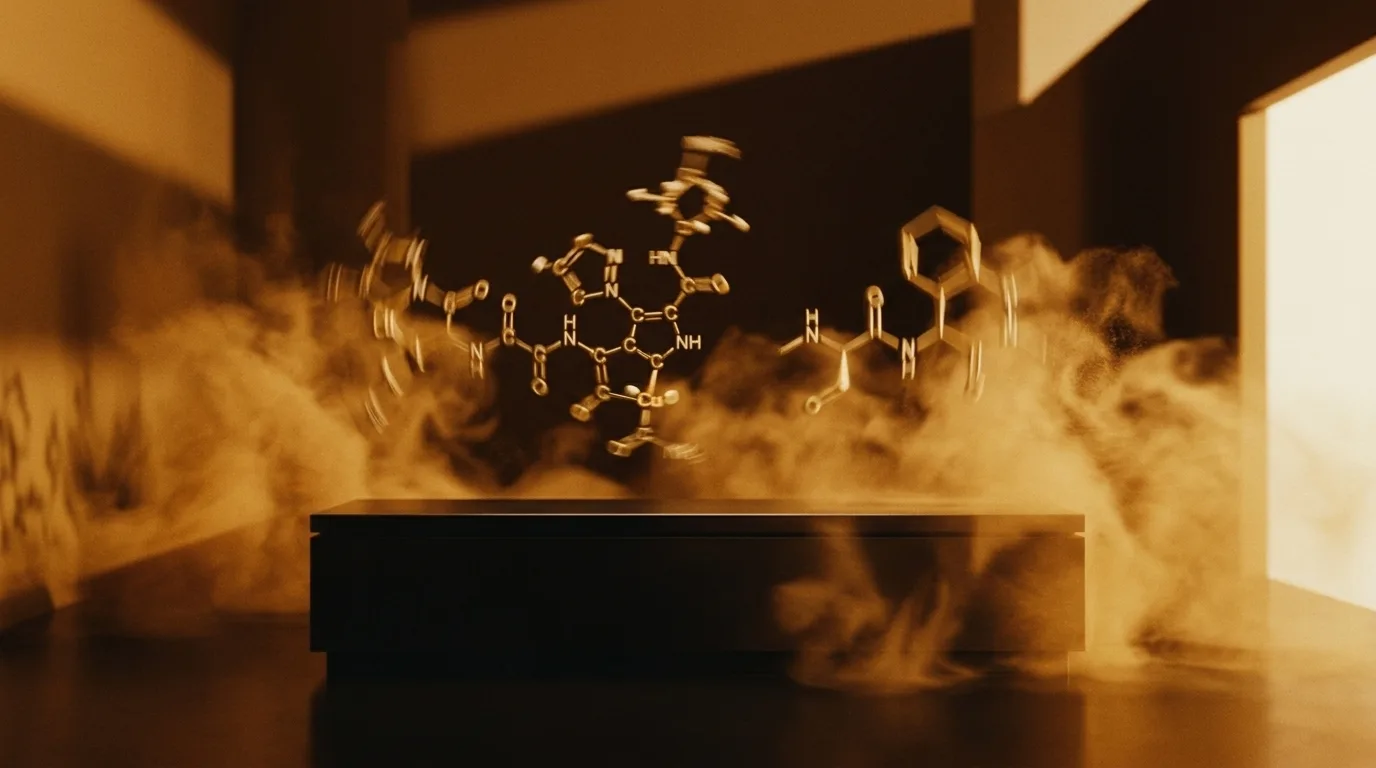
Most skincare discussions treat copper as a singular active ingredient, but there is a profound biological distinction between generic mineral copper and the bioactive tripeptide complex known as GHK-Cu (glycyl-L-histidyl-L-lysine copper). Elemental or ionic copper functions primarily as a co-factor in enzymatic processes, whereas GHK-Cu operates as an informational peptide that communicates directly with cellular machinery. Discovered in human plasma, GHK naturally declines with age, dropping from roughly 200 ng/mL at age 20 to approximately 80 ng/mL by age 60, directly correlating with slower tissue repair and diminished structural protein output.
Extracellular Matrix Remodeling and Gene Expression
Rather than simply depositing trace minerals into the dermis, GHK-Cu acts as a genomic modulator. Genome-wide profiling using the Broad Institute Connectivity Map demonstrated that GHK-Cu modulates 31.2% of human genes at a 50% or greater change threshold, upregulating 59% of affected genes while downregulating 41%. In cutaneous tissue, this transcriptional reset stimulates the synthesis of collagen types I, III, and IV, alongside elastin, proteoglycans, and glycosaminoglycans like decorin. Crucially, GHK-Cu balances matrix metalloproteinases (MMPs) with tissue inhibitors of metalloproteinases (TIMPs), clearing degraded scar tissue while accelerating clean extracellular matrix regeneration.
| Property | Generic Copper (Ionic/Sulfate) | GHK-Cu Tripeptide Complex |
|---|---|---|
| Molecular Structure | Free Cu2+ salts or gluconate chelates | Tripeptide ligand bound to Cu2+ (404 g/mol) |
| Primary Action | Cofactor for lysyl oxidase | Transcriptional modulation and cellular signaling |
| Gene Modulation | Limited to basal copper-dependent enzymes | Modulates 31.2% of human genes |
| Tissue Remodeling | Passive enzymatic support | Upregulates collagen, elastin, and TIMPs |
This targeted signaling mechanism is why healthmaxxers and biohackers prioritize GHK-Cu over basic formulations in advanced anti-aging peptides protocols. By directly instructing dermal fibroblasts to restore youthful gene expression patterns, GHK-Cu rebuilds the structural foundation of the skin rather than providing a superficial cosmetic masking effect.
ghk cu protocol
Establishing an effective GHK-Cu protocol requires structured application phases and realistic biological timelines. Cellular turnover and dermal remodeling operate on biological schedules that cannot be rushed, making daily adherence and exact dosing far more critical than high-potency, sporadic use. A well-designed protocol provides predictable tissue signaling while preventing receptor downregulation or localized irritation.
Phase-by-Phase Timeline for Dermal Restructuring
Controlled clinical evaluations show that consistent administration of GHK-Cu yields progressive structural improvements. In randomized double-blind trials, topical application of GHK-Cu delivered a 55.8% reduction in wrinkle volume and a 32.8% reduction in wrinkle depth compared to baseline vehicle formulations over 8 to 12 weeks. Early phases establish dermal hydration and barrier repair, while later phases trigger deep fibroblast proliferation and collagen maturation.
- Weeks 1 to 4 (Acclimation and Barrier Support): Initiate topical GHK-Cu at the lowest concentration your formulation offers, once daily in the evening. Focus on barrier fortification and basal cell hydration while monitoring skin tolerance.
- Weeks 5 to 8 (Matrix Synthesis Phase): Increase to standard protocol levels (or introduce low-dose systemic micro-injections). Fibroblast collagen output ramps up, and extracellular matrix remodeling begins smoothing fine lines.
- Weeks 9 to 12 (Structural Remodeling Phase): Peak therapeutic window where dense cross-linked collagen and elastin networks visibly improve dermal thickness, firmness, and wrinkle depth.
- Weeks 13 to 16 (Washout / Cycling Phase): Transition into a 4-week maintenance or washout window to reset copper transport channels and prevent receptor saturation.
To maximize outcomes, biohackers pair their GHK-Cu skin protocol with supportive lifestyle variables such as adequate dietary amino acids, optimal slow-wave sleep for growth hormone release, and strict sun protection to preserve newly formed collagen fibrils.
copper peptide hair density
Beyond facial aesthetics, GHK-Cu plays a prominent role in follicular biohacking. Hair loss and thinning are frequently driven by follicle miniaturization, micro-inflammation, and shortened anagen (growth) phases. GHK-Cu counters these degenerative changes by enlarging hair follicle size, suppressing apoptotic pathways in dermal papilla cells, and promoting microvascular angiogenesis around the follicular bulb.
Human Trial Data: Follicle Count and Growth Cycle Modulation
The follicular benefits of GHK complexes have been validated in rigorous human clinical trials. In a 6-month randomized, double-blind, placebo-controlled trial evaluating 45 men with androgenetic alopecia, a topical formulation containing GHK peptide combined with 5-aminolevulinic acid produced an average increase of 71.5 extra hairs per cm2 at the optimal 50 mg/mL concentration, compared to only 9.6 hairs per cm2 in the placebo group. This represented a 2.38-fold increase in hair count ratio over baseline, demonstrating statistically significant follicle reactivation without adverse side effects.
| Trial Arm | Dose / Formulation | 6-Month Hair Count Gain (per cm2) | Hair Count Ratio vs Baseline |
|---|---|---|---|
| Low-Dose GHK Complex | 50 mg/mL ALAVAX | +71.5 hairs/cm2 | 2.38x |
| High-Dose GHK Complex | 100 mg/mL ALAVAX | +52.6 hairs/cm2 | Noted biphasic plateau |
| Placebo Control | Vehicle spray | +9.6 hairs/cm2 | 1.21x |
The trial also highlighted a critical pharmacodynamic principle: the biphasic dose response. The lower concentration (50 mg/mL) outperformed the higher concentration (100 mg/mL), confirming that peptide signaling requires precise dosing windows rather than maximal saturation. GHK-Cu upregulates vascular endothelial growth factor (VEGF) and basic fibroblast growth factor (bFGF), supplying miniaturized follicles with blood flow and nutritional support to prolong the active growing cycle.
ghk cu serum vs injection
When constructing an optimization stack, healthmaxxers must decide between localized topical serums and systemic subcutaneous administration. Each delivery route presents distinct pharmacokinetic profiles, bioavailability metrics, and physiological endpoints.
Epidermal Barrier Constraints vs Systemic Distribution
Topical GHK-Cu serums act directly upon the epidermis and upper papillary dermis. Because the intact GHK-Cu complex possesses a molecular weight of approximately 404 g/mol, it sits right on the edge of the 500-Dalton threshold for transdermal absorption. While specialized lipid carriers and microneedling enhance local penetration, topical application remains predominantly localized. In contrast, subcutaneous injections bypass the stratum corneum entirely, delivering the peptide directly into systemic circulation where it can target full-body connective tissue, wound repair, and organ health.
| Route of Administration | Bioavailability | Primary Target | Systemic Impact | Standard Dosing Metric |
|---|---|---|---|---|
| Topical Serum / Cream | Limited and localized (restricted by the stratum corneum) | Epidermis, papillary dermis, scalp | Negligible systemic distribution | Low-percentage serum applied once or twice daily |
| Subcutaneous Injection | 100% bioavailable | Full-body connective tissue, joints, skin | Broad multi-tissue gene modulation | 1 mg to 2 mg daily (cycled 4-8 weeks) |
For individuals focused exclusively on facial texture, localized scarring, or hairline density, a concentrated topical serum or mesotherapy solution offers zero systemic burden. However, for those incorporating GHK-Cu into a broader peptide stacking protocol for systemic longevity, injury healing, and multi-organ recovery, subcutaneous micro-injections provide unmatched tissue distribution.
Managing Systemic Copper: Overload Risks and Tolerable Limits
A frequent concern among longevity practitioners is the risk of heavy metal accumulation, hepatic strain, or free radical generation from copper overload. Copper is a transition metal that catalyzes oxidation-reduction reactions, meaning systemic levels must be managed within defined physiological boundaries.
Molar Mass Breakdown and the Tolerable Upper Intake Limit
To evaluate copper safety accurately, one must examine the elemental copper delivered by therapeutic peptide doses. The GHK tripeptide has a molecular weight of roughly 340.4 g/mol, which increases to approximately 404 g/mol when complexed with a copper ion (Cu2+, atomic weight 63.55 g/mol). Copper therefore makes up only a small fraction of the complex by weight, and a standard therapeutic injection of 2 mg GHK-Cu delivers well under half a milligram of elemental copper. The Food and Nutrition Board sets the adult Tolerable Upper Intake Level (UL) for copper at 10,000 mcg (10 mg) per day, a ceiling based on levels associated with liver damage as the critical adverse effect.
- Daily Elemental Load: A standard 2 mg injectable GHK-Cu dose delivers only a fraction of a milligram of elemental copper, far below the adult tolerable upper intake level of 10,000 mcg (10 mg) per day.
- Zinc-to-Copper Balance: Extended systemic protocols should incorporate oral zinc supplementation (15 mg to 30 mg daily) to preserve the physiological zinc-to-copper ratio and prevent displacement.
- Cycling Windows: Standard protocols run for 4 to 8 weeks, followed by a mandatory 4-week washout phase to allow biliary clearance pathways to maintain equilibrium.
- Biomarker Tracking: Regular blood work monitoring serum copper, ceruloplasmin, and comprehensive metabolic panels ensures liver function and lipid parameters remain completely optimal.
Because the elemental copper fraction in standard GHK-Cu doses is modest, systemic overload is exceptionally rare in healthy adults with intact biliary excretion. Adhering to structured cycles and baseline lab tracking keeps the protocol safe, sustainable, and biologically protective.
The Reality of Daily Execution: Overcoming Protocol Fatigue
Designing an advanced peptide regimen on paper is straightforward, but maintaining flawless execution in daily life is where most biohackers stumble. Modern health protocols often require balancing multiple compounds, strict reconstitution ratios, localized versus systemic timing, and complex tracking variables.
Decision Fatigue and the Daily Choice Burden
It is estimated that an American adult makes around 35,000 decisions a day. When health management demands manual data logging across disconnected apps, spreadsheets, and calendar reminders, tracking becomes a secondary full-time job. Decision fatigue inevitably leads to missed doses, inconsistent cycling, and forgotten biomarker assessments, eroding protocol efficacy.
- Siloed Data Streams: Wearable metrics from WHOOP or Oura, skin progress photos, and injection logs live in separate dashboards with zero interoperability.
- Reconstitution Math Overhead: Calculating vial concentrations, bacteriostatic water volumes, and micro-syringe tick marks creates daily cognitive friction.
- Variable Confounding: Failing to correlate sleep recovery scores (HRV) or training strain with peptide cycles leaves users guessing whether their protocol is working.
- Adherence Decay: Manual spreadsheets and static alarm notifications suffer steep drop-offs after 3 to 4 weeks of consistent logging.
To achieve elite results without cognitive exhaustion, high performers are moving away from manual logging tools toward an automated tracking app ecosystem that runs their wellness operating system on autopilot.
Automating Your Regimen with an AI Health Assistant
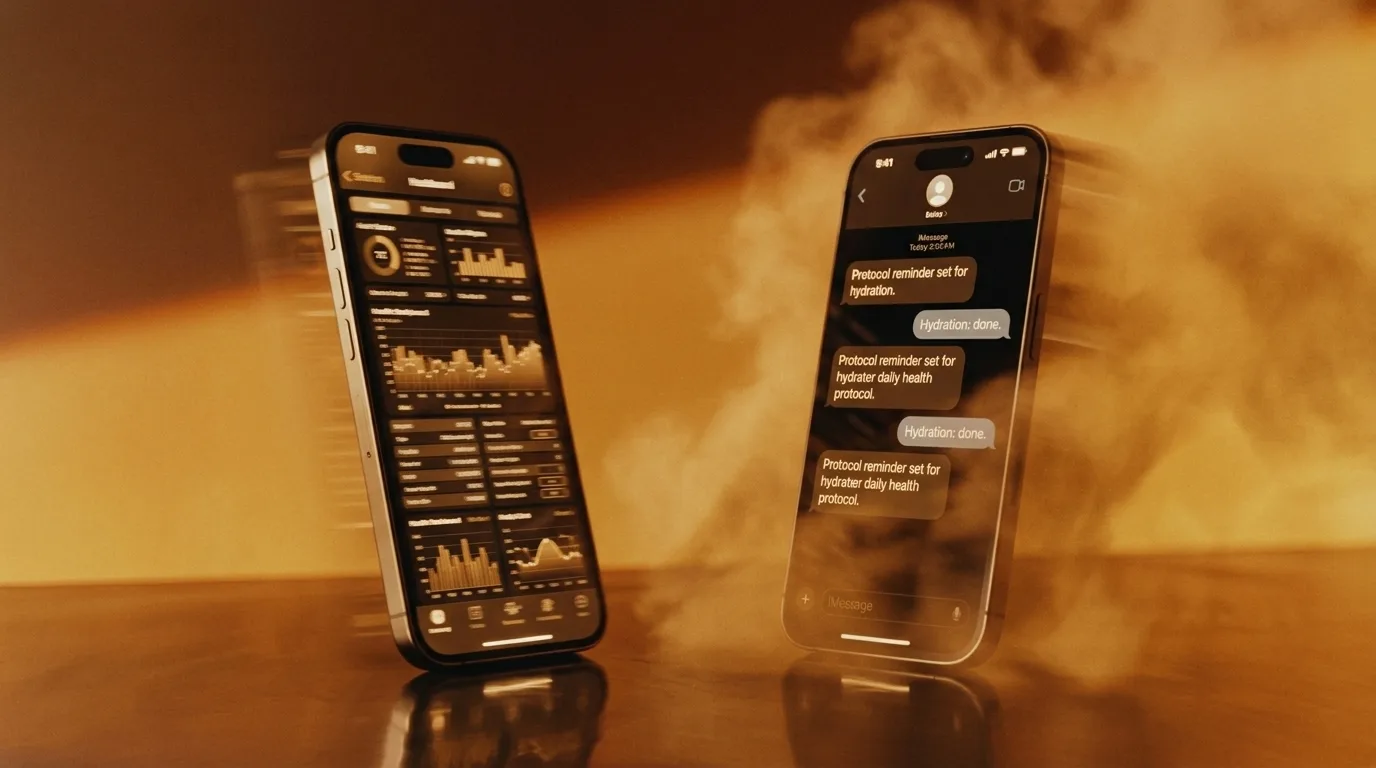
Overcoming protocol fatigue requires a fundamental shift from passive tracking dashboards to agentic automation. Built as an AI-powered personal health assistant, miora handles the logistics, calculations, and daily execution of complex peptide and longevity protocols directly through iMessage and RCS, eliminating manual friction entirely.
Wearable Telemetry and Proactive Protocol Management
Rather than leaving your data trapped in isolated silos, an agentic assistant connects directly with your wearables, including WHOOP, Oura, and Apple Health. It interprets your physiological telemetry in real time, analyzing heart rate variability (HRV), sleep architecture, and daily strain to optimize your routine dynamically. Structured daily check-ins and dedicated concierge guidance ensure every phase of the regimen is monitored and protected.
| Health Variable | Traditional Manual Tracking | Automated Workflow with an AI Assistant |
|---|---|---|
| Dosing & Injection Schedules | Spreadsheets, manual alarms, forgotten logs | Proactive text reminders via iMessage with one-tap logging |
| Bio-Data Integration | Manual comparison of Oura/WHOOP dashboards | Real-time wearable telemetry interpreted automatically |
| Cycle & Washout Tracking | Mental math, missed off-cycle dates | Automated tracking of cycle durations and washout reminders |
| Recovery Optimization | Static workout routines despite low HRV | Adaptive daily recommendations aligned with physiological recovery |
Staying at the forefront of biohacking and skin rejuvenation should not demand exhausting daily overhead. By automating the operational heavy lifting, miora keeps your protocols consistent, your recovery dialed in, and your physical drive protected, allowing you to stop tracking and start thriving.